Your Guide to Altitude at Aspen Snowmass

Altitude sickness is a common ailment at 8,000 feet, but we've got some tips to try to get ahead of it.
Preventing Altitude Sickness While in Aspen
High elevation destinations, such as Aspen Snowmass, have lower oxygen levels and lower atmospheric pressure, which can occasionally cause altitude sickness.If you're traveling from a lower elevation, especially sealevel, give your body timeto adjust to the lower oxygen levelsto help prevent altitude sickness.
Hydration: Drink Up!
The most important thing you can do? Stay hydrated. What feels like altitude sickness can often be simple dehydration, which is caused by the higher rate of water vapor lost from the lungs at higher altitudes.
Even before you leave on your vacation to Aspen Snowmass, start drinking more water than you normally would. Consume up to 3 liters (100 ounces) of water a day for several days prior to your trip. Carry a bottle of water with you while traveling and sip regularly throughout the day—especially on flights where cabin pressure and higher altitude can increase dehydration.
Avoid Alcohol & Caffeine: Sip Clean!
For the first few days at altitude as your body adjusts, decrease the amount of alcohol and caffeine you would normally consume, since both can increase the likelihood of dehydration. One alcoholic drink at altitude has the same effect as two drinks at sea level. Coffee, tea, soda, sugary drinks, and even juice can leach fluids from your body and can cause dehydration. Water is your best bet for staying hydrated at altitude. Drink water with and between meals.

Food & Digestion: Eat Small, But Frequent Meals!
Your body is already working harder at altitude to cope with the lower oxygen, so keep meals lighter and easier to digest. Eat foods that are high in water content to help maintain your hydration. Fresh fruits and non-starchy vegetables have a high percentage of water and help keep you hydrated at high altitudes.
Easily digested carbohydrates like bread, pasta, quinoa, and iron-rich plant-based foods like soy, lentils, spinach, and beans work well to combat the effects of altitude adjustment. Try to limit more difficult to digest foods like fatty red meats and dairy. Many athletes claim that sucking on ginger or peppermint candy reduces nausea due to altitude sickness. Grand Canyon Expeditions Program Manager Nick Colgin explains: “The reason [I] chew hard candy such as ginger chews, is because they help you salivate. It gets really dry at altitude and can lead to high altitude cough or bronchitis. Having hard candies reduces this.”
Altitude Guide for Sea Level Guests, Aspen Snowmass
Sleep: Get Adequate Sleep!
During sleep, your body creates most of its red-blood cells, which carry oxygen throughout the body.
Exercise: Take It Easy!
At higher altitudes, your lungs and heart need to work harder to compensate for less oxygen. Initially, your body will have a harder time getting the amount of oxygen it needs, and your normal performance will suffer.
What locals consider an easy hike or bike ride may feel more challenging if you’re coming from sea level. For example, the Ute Trail, a popular local hike in downtown Aspen climbs 700 vertical feet in under a mile. If you try strenuous exercise, take it slow and follow this advice:
Eat Lightly
Per Jayne Gottlieb, yoga instructor for Mountain Top Yoga at Aspen Mountain: “Don’t eat or drink too much half an hour before exercise. If your system is dealing with digestion, then it is harder for your body to handle the exertion. It makes exhaustion and recovery much more difficult.”
Sweat It Out
While it is tempting to pat yourself dry from perspiration, your body uses sweat to regulate temperature and cool you down—so don’t rush to dry off completely.
Ascend Slowly
Hike uphill at a slow, light pace.
Breathe Easy
Focus on deepening your inhale and prolonging your exhale as much as possible. Take slow, long, deep breaths, inhaling and exhaling through your nose while allowing your stomach expands.
Prepare
Make sure you are well-equipped with a backpack that includes:
- Water (bring more than you think you’ll need)
- Food (small, easy to digest trail food and healthy snacks)
- Sunscreen and lip balm
- Band-Aids and moleskin (in case you develop “hot spots” which lead to blisters from your hiking or running shoes)
- Rain gear (rain is common in the mountains)
- Extra layers of clothing (the top of a mountain can be ten degrees colder than where you started)
Take Breaks
- Sip water
- Catch your breath
- Snack lightly on easy-to-digest foods before and during exercise
- Take in the views!
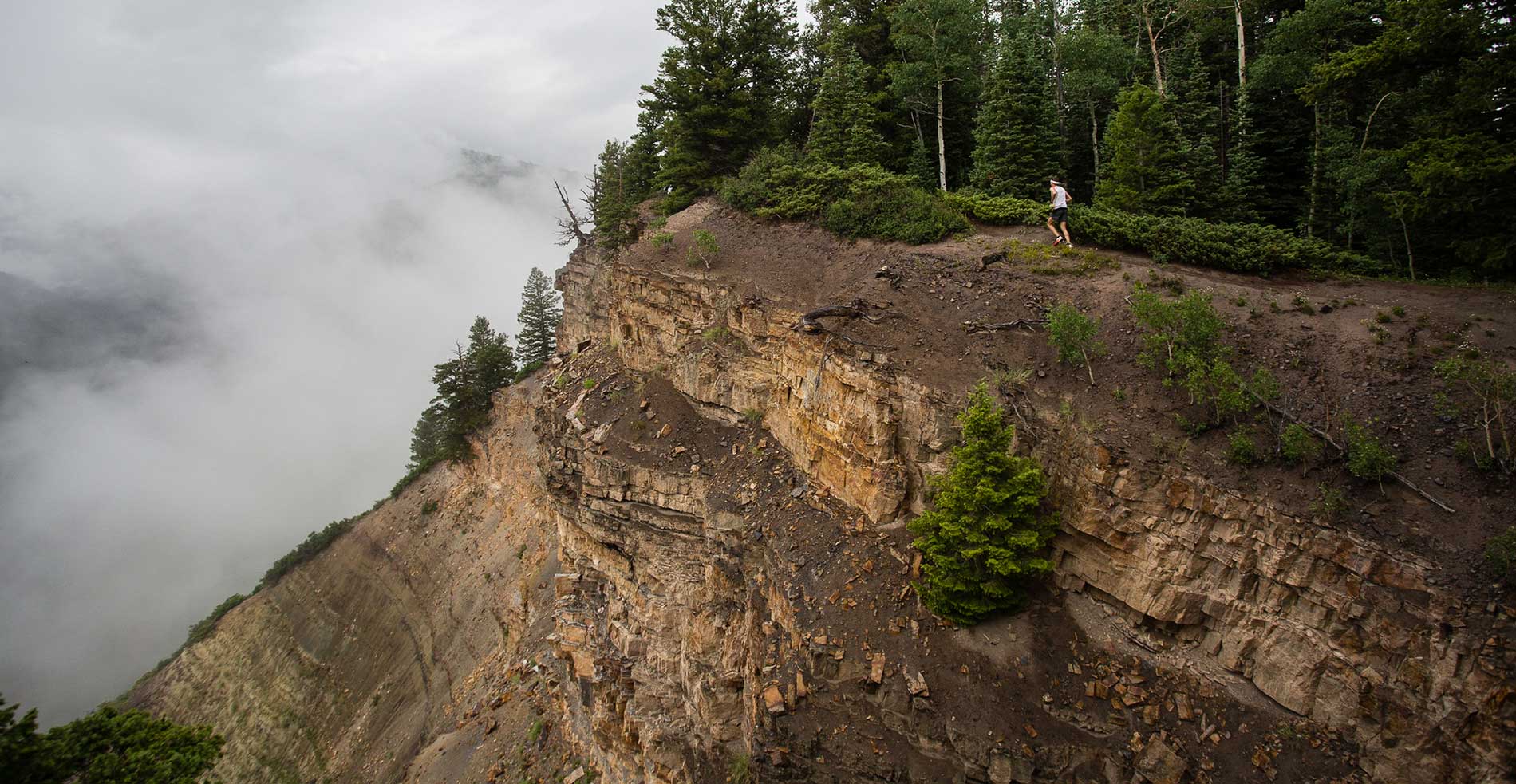
Altitude Guide for Sea Level Guests, Aspen Snowmass
Know The Signs of Altitude Sickness
- Fatigue
- Weakness
- Headache
- Dizziness
- Light-headedness
- Insomnia
- Shortness of breath
- Nausea
- Decreased appetite
- Swelling of extremities
- Social withdrawal
- Vomiting
- "Pins and needles"
- Persistent rapid pulse
- Drowsiness
- Swelling of hands, feet, and face
Updated April 2026