
Maroon Bells 101: All You Need To Know

Learn about parking, permits, and wilderness operating hours.
Visiting the Maroon Bells is at the top of most summertime visitors’ bucket lists and people are certainly checking it off. Over 300,000 people passed through the gateway to the Maroon Bells-Snowmass Wilderness area in recent summers to access one of the most stunning outdoor settings in North America and some of the best hiking in Colorado. And the hype is real. The wilderness area provides access to some epic outdoor adventures in the heart of the Elk Mountains.
Getting to The Maroon Bells
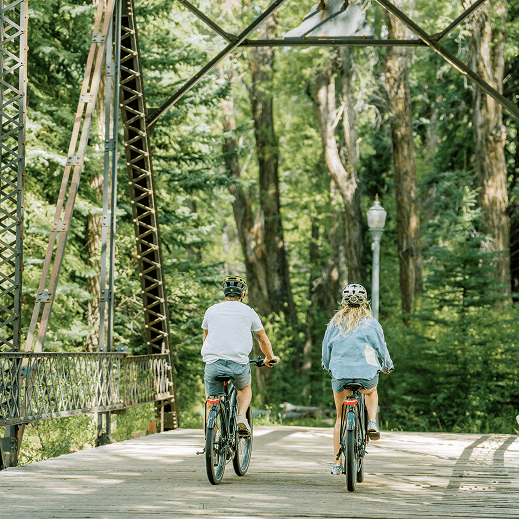
E-Biking to The Maroon Bells
For a scenic ride that’s equal parts adventure and effortless cruising, rent an e-bike and ride to the Maroon Bells. While the climb can be demanding on a traditional road bike, e-bikes give you the extra boost to take in the views instead of focusing on the uphill. With vehicle access limited and shuttle buses running every 15 minutes, the road to the Bells feels quiet, peaceful, and made for two wheels. There is a $5 entrance fee for e-bikes going up to the Maroon Bells, which goes towards maintaining the land and can be paid as you are riding up the road.
Four Mountain Sports offers daily e-bike rentals, plus a new 3-day rental option so you can explore more of Aspen Snowmass for less. For a more elevated experience, Aspen Collection offers premium e-bike rentals with personalized fittings and a complimentary drink from the Aspen Collection Café before you head out
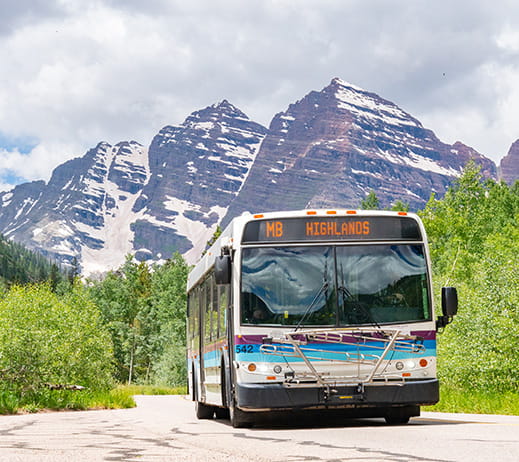
Reservations By Car or Shuttle
Reservations are required to visit Maroon Bells by car or shuttle. Vehicle access begins May 15 through October 31, 2026, and parking reservations will be required throughout those dates. The RFTA shuttle system from Aspen Highlands begins May 22 and will run through October 18, 2026. It’s best to take the bus, and the majority of the time, it’s your only option. Maroon Bells can only be accessed by public bus ($16/adult; $10/senior over 65 + children under 12).
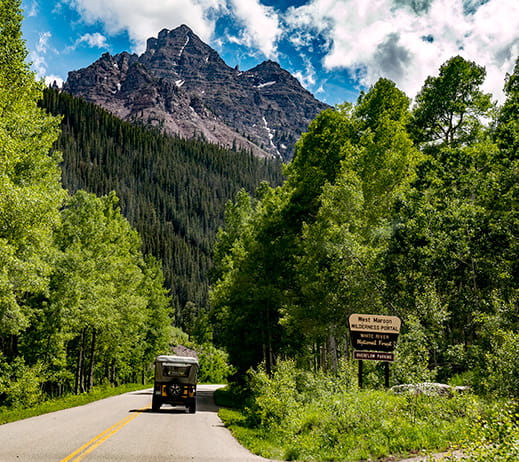
Parking & Fees
The Maroon Bells bus departs from the Aspen Highlands Visitor Center. Parking is available in the Aspen Highlands garage, but limited. Parking is $40 maximum for the day. A free bus also runs from Aspen to Aspen Highlands, labeled the Castle/Maroon bus. It leaves every 20 minutes on the hour. Private vehicles can drive up to the Bells with a parking reservation, arriving before 8am and departing before 4:30pm. As mentioned above, parking reservations ($10) are required to use the road. These can be made directly via the Aspen Resort Chamber Association's website.
Note: Maroon Creek Road is also a popular cycling route, and bicycles can access the Maroon Bells at any time for no fee. The 9-mile route climbs nearly 1,600 feet.

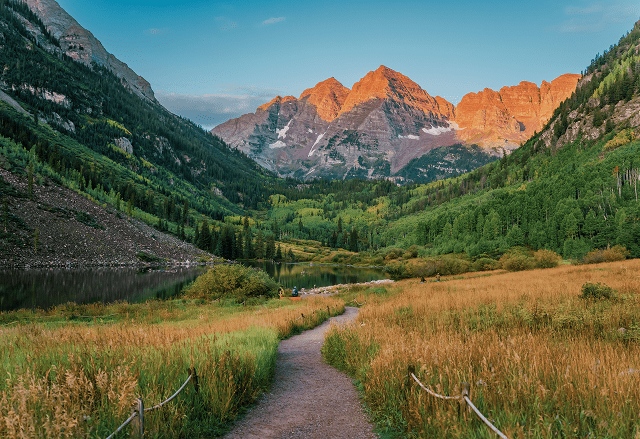
Maroon Bells in the late summer, sun sets on the bells as they are framed by the green valley below
Outdoor Opportunities
Maroon Lake sits in the natural amphitheater below the towering 14,000-foot Maroon Bells. There is a 1.7-mile nature loop that goes around the lake. Another popular hike is the 1.8-mile hike (3.6 miles roundtrip) to Crater Lake. Both of the these trails are heavily trafficked.
The scenic area is also the starting point for the popular 11-mile hike to Crested Butte; the Four-Pass Loop (a 26-mile trail that crosses four passes over 12,000 feet); numerous opportunities for day hikes; and the trailhead to three fourteeners, all of which require mountaineering knowledge, equipment and experience to summit. Unfortunately, severe accidents are common place on the high-altitude routes of these peaks.
Maroon Bells Trailheads & Trail Lengths
Maroon Lake Trailhead
Starting Point: Maroon Lake
Popular Trails:
- Maroon Lake Scenic Trail (Easy, ~1 mile): A short, accessible hike along the lake with breathtaking views of the Maroon Bells.
- Crater Lake Trail (Moderate, ~3.5 miles round-trip): A rocky trail leading to Crater Lake, offering closer views of the Bells.
West Maroon Trailhead
Starting Point: Maroon Lake
Popular Trails:
- West Maroon Pass Trail (Difficult, ~13 miles round-trip): A challenging hike over West Maroon Pass, connecting to Crested Butte. Known for wildflowers in summer.
- Buckskin Pass Trail (Difficult, ~9 miles round-trip): Ascend through alpine meadows to a stunning pass with panoramic views.
East Maroon Trailhead
Starting Point: Maroon Creek Road (near East Maroon Portal)
Popular Trail:
- East Maroon Pass Trail (Difficult, ~20 miles round-trip): A long hike to East Maroon Pass, offering serene wilderness and fewer crowds.
Snowmass Trailhead
Starting Point: Near Snowmass Village
Popular Trail:
- Four Pass Loop (Very Difficult, ~28 miles loop): A challenging multi-day hike covering West Maroon, Frigid Air, Trail Rider, and Buckskin Passes, with stunning vistas of the Elk Mountains.
Keep the Adventure Going
See The Bells from a new angle with a sightseeing ticket up to the top of Aspen Mountain. Enjoy a scenic gondola ride to give your legs a break, and enjoy lunch and other hiking options as you take in the view from above.
Wilderness Tips
Reminder: This is a wilderness area. That means:
- Stay on designated trails.
- Mountain bikes and all mechanized vehicles are prohibited on the trails and within the boundaries of the wilderness area.
- Do not approach or engage with wildlife.
- Dress appropriately and come prepared; weather changes quickly and often in the Rocky Mountains.
- There is no cell phone service.
- Dogs must be leashed and pick up their waste.
- Littering is prohibited and all trash must be packed out.
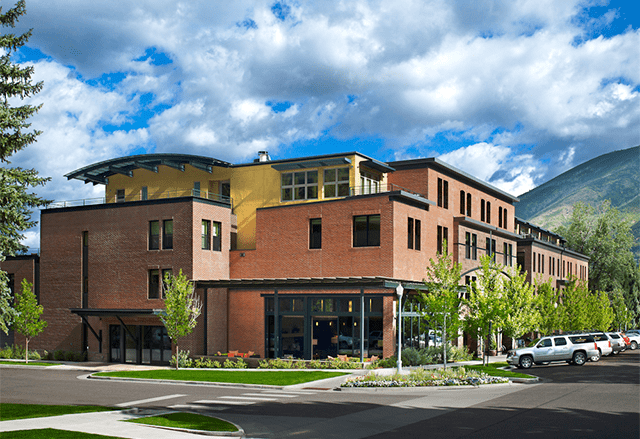
Maroon Bells Basecamp
Use Limelight Aspen as your basecamp for The Maroon Bells. With transportation offered by the hotel and easy access to bike rentals, this is the perfect spot to call home after a day exploring Aspen.
Backpacking
Approved bear food storage containers are required for all backpackers in the Maroon Bells-Snowmass Wilderness.
Advance reservation overnight permits are required if you plan to stay overnight in the the busiest areas of the Maroon Bells-Snowmass Wilderness including: Conundrum Hot Springs, Capitol Lake, Crater Lake, and the Four Pass Loop (including Snowmass Lake and Geneva Lake). Permits must be purchased in advance at recreation.gov. For more information, see here.
Forgot Something?
Our Four Mountain Sports and Aspen Collection locations have everything you may need to complete your backpacking trip, including water bottles, layers, shoes, sunscreen and more. Check out one of our many locations in Aspen and Snowmass.
Maroon Bells FAQs
When is the road to Maroon Bells open?
Maroon Creek Road is open to vehicular traffic late spring until late fall, but reservations are required for parking and to access to Scenic Area. The road is not plowed in winter beginning at T-Lazy-7 Ranch, and will become closed as soon as snow renders the road impassable. Please contact the United States Forest Service to confirm whether the road is open before your trip, call 970-925-3445.
Where are the Maroon Bells?
How far is Maroon Bells from Denver?
Can you camp at Maroon Bells?
What is the elevation of Maroon Bells?
What else can I do in Aspen after the Maroon Bells?
After an active morning of hiking around the Maroon Bells wilderness, we suggest coming into Aspen to recharge, and enjoy what the town has to offer.
Dining: grab a bite to refuel at one of the many stops in Aspen. A few of our favorites are Ajax Tavern, Limelight Aspen Lounge, or atop the Silver Queen Gondola, at the Sundeck.
Ride the Gondola: Give your legs a break and get a look at the Maroon Bell from a different vantage point, by taking the Gondola to the top of Aspen Mountain. Enjoy a drink on the Sundeck Patio and enjoy the view.


