Sustainability
At Aspen Snowmass, we take the long view because climate change is an existential threat not only to the ski industry and our way of life, but to life itself.

The reality is, tweaking our business operations and cutting our carbon footprint is not enough—systemic problems require systemic solutions. Environmentalist and author Bill McKibben put it best, “By all means, go screw in that efficient light bulb, but then go screw in a new senator.”
That’s why we use our voice and influence to tackle climate change at the policy level. Because that’s what it will take.
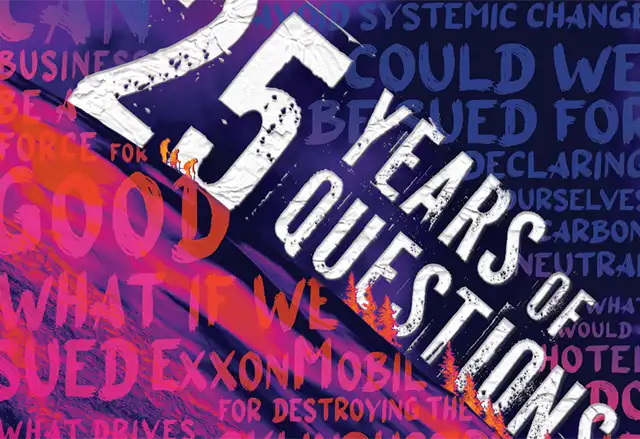
2024 Aspen One Sustainability Report
We are focused on modeling solutions, expanding our influence, convening leaders on sustainability to upend the current model and have a more meaningful impact, and spreading the word to double down on the fight against climate change.
Our Environmental Commitment
We are committed to protecting the environment and leading the way on corporate responsibility and sustainability. Our goals in doing so are outlined at right.
To Stay in Business Forever
We are a ski company — we need snow to stay viable.

Doing Right by Our Employees
To be the best employer in the world by strengthening our community, both internally and externally.

Global Leadership
And to lead the business world as a sustainable, responsible brand.
...And to Accomplish These Goals

Climate Action
Leveraging our influence to advance climate solutions.

Tolerance and Diversity
Embracing and advocating for inclusivity and understanding in our business and in the community.

Social Justice
Fighting for education, child care, our community and improving health outcomes in all communities.

Engagement
Stakeholder and civic engagement and communication (e.g. employees, guest, community).
Featured Initiatives


Give a Flake
We've spent more time in Washington lobbying for climate than any other ski resort because being a snowsports enthusiast now means being part of the fight against climate change.

Can Skiing Survive Climate Change?
Read more
Climate change poses an existential threat to the ski industry, and Aspen Snowmass has known this for a long time. A warmer climate means less snow and less snow means a shorter season for snowboarders and skiers—we've already lost about 30 days of the ski season since 1980.
NPR correspondent Kirk Siegler first covered the issue 15 years ago as local station reporter in Aspen and talked to Aspen Skiing Company's VP of Sustainability, Auden Schendler. This year, Siegler returned to Aspen and tells Short Wave co-host Aaron Scott about Aspen Snowmass' many efforts to push the nation toward clean energy and how those efforts are not longer radical, but a model for businesses everywhere.
Learn More

Vote For Climate
Think your vote doesn't count? Think again. To move the needle on the climate crisis, we have to mobilize as one.


